Rewatching Paper Man in 2025: The Film That Got More True While We Weren't Looking
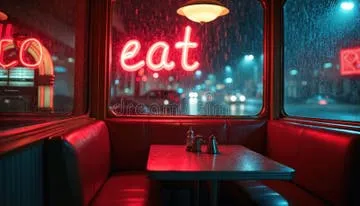
Photo: empty diner booth window rain solitary man city street, via thumbs.dreamstime.com
Here's the thing nobody predicted when Paper Man first screened: the world would catch up to it.
At release, the film read as a character study—specific, intimate, maybe a little bleak. Rewatch it in 2025 and something has shifted. Not the film. Us.
The Crisis Moved From the Margins to the Headlines
When the movie came out, a middle-aged man with no close friends was a cinematic anomaly. Now he's a statistic. Surgeon General advisories, think pieces in every major outlet, the phrase 'loneliness epidemic' showing up in congressional hearings—what the film dramatized quietly has become one of the defining public health conversations of the decade.
The protagonist's isolation no longer needs explaining. Audiences walk in already fluent in it.
Where Did Everybody Go?
There's a concept urban sociologists love: the third place. Not home, not work—the coffee shop, the bar, the bowling league, the church basement. The spots where community happened by accident. America has been losing them for decades, and the pandemic accelerated the collapse.
Paper Man's world is a landscape of missing third places. The empty spaces aren't set dressing—they're the antagonist. Watch it now and the film feels less like a story about one man and more like a map of a national condition.
Emotional Honesty Went From Radical to Required
At release, the film's willingness to sit with a man's interiority—his fear, his softness, his unprocessed grief—felt slightly transgressive. The studio system still treated male vulnerability as a third-act reveal, not a premise.
Today? The culture has shifted. Younger audiences actively reward emotional openness and smell deflection a mile away. What once read as brave now reads as correct. That's not a diminishment—it's a vindication. The film wasn't ahead of its time so much as its time finally arrived.
The Rewatch Test
We ran an informal poll in our community asking fans who first saw the film at release to compare experiences. The overwhelming response: it hits harder now. Not because the film changed, but because viewers have lived more of what it depicts—the drifted friendships, the unspoken stuff, the rooms that got quieter.
One comment stuck with us: 'First watch, I pitied him. Second watch, I recognized him.'
A Small Film, an Urgent Text
There's a strange alchemy in indie cinema: sometimes a modest film becomes more important than its size suggested, not through awards or box office, but through timing. Paper Man made a quiet argument about connection, and the culture has spent the years since proving it right.
If you've rewatched it recently, we want to hear about it—what landed differently? What felt dated? What hit harder than you remembered? The comment section is open, and based on our inbox, you've got a lot to say.