Turn It Up, Then Turn It Down: The Secret Language of Sound in Paper Man
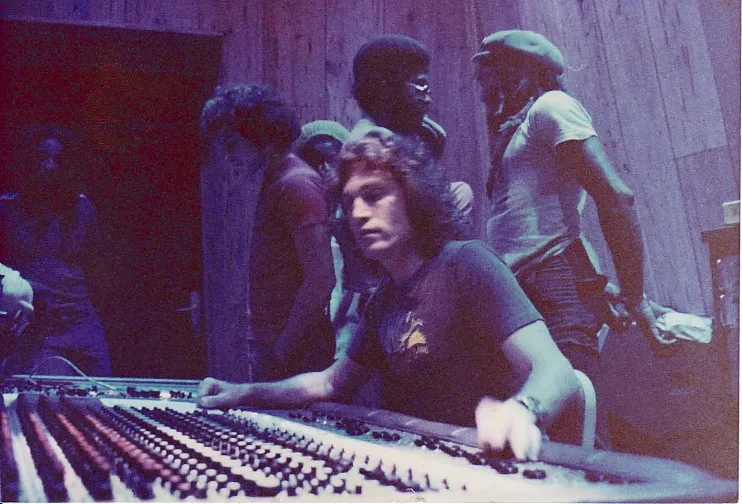
Photo: Skyranger of utopia, CC BY-SA 4.0, via Wikimedia Commons
Blockbusters train us to expect sound as a signal: the swelling strings, the bass drop, the roar that tells you feel something now. Paper Man does the opposite. It turns the volume down until you can hear a character thinking.
And once you notice it, you can't unhear it.
The Rustle Heard Round the Festival Circuit
The film's most talked-about audio moment isn't a line of dialogue at all—it's paper. The soft crackle of a folded sheet, the dry whisper of a page turning in an empty apartment. These sounds are mixed forward, almost like they're dialogue. In a lesser mix, they'd be buried under ambience. Here, they carry the emotional weight of an aria.
That's not an accident. That's a philosophy.
What the Pros Hear
We spoke with three working sound designers—folks who've mixed everything from streaming dramas to docs—to get their read on why Paper Man's soundtrack feels so uncanny.
On room tone: "Most audiences never consciously notice room tone, but they feel it when it's wrong," one told us. "Paper Man treats room tone like a character. When the protagonist is alone, the room sounds emptier. That's storytelling."
On off-screen sound: Another designer pointed to the film's use of sounds that exist just outside the frame—a neighbor's TV, a distant siren, footsteps in a hall. "Your brain builds the world you can't see. It makes the frame feel like a window instead of a screen. Big movies use off-screen sound for scale. This movie uses it for loneliness."
On restraint: The third put it bluntly: "There's maybe ten minutes of music in the whole cut. Everything else is earned. When a cue finally comes in, it lands like a punch because your ears haven't been numbed."
Intimacy as a Mixing Decision
Think about how most studio films handle a quiet emotional scene: strings swell, the mix thickens, and suddenly you're being told how to feel. Paper Man instead strips layers away. A conversation happens over the sound of a radiator. A breakdown plays against the hum of fluorescent light.
The effect is closer to memory than cinema. When you remember an important moment from your own life, you don't remember a score. You remember the smell of the room, the sound of a screen door, the fridge kicking on at 2 a.m. Paper Man's mix works the same way—it recreates the sonic furniture of a life.
Try Watching It This Way
Here's a challenge for your next rewatch: watch one scene with your eyes closed. Seriously. The film holds up. The spatial detail, the pacing, the emotional geography—it's all in the mix. That's rare. That's craft.
And it's the kind of craft that rarely gets award-season love, because voters reward what they can point at. Nobody hands out a statue for a beautifully recorded empty room. But maybe they should.
Have a favorite sound moment from the film? Drop it in the comments—We're building a fan-made list of the movie's best 'silent' scenes.